

U.S.-Iran Agree Memorandum of Understanding, Israel Immediately Rejects Deal
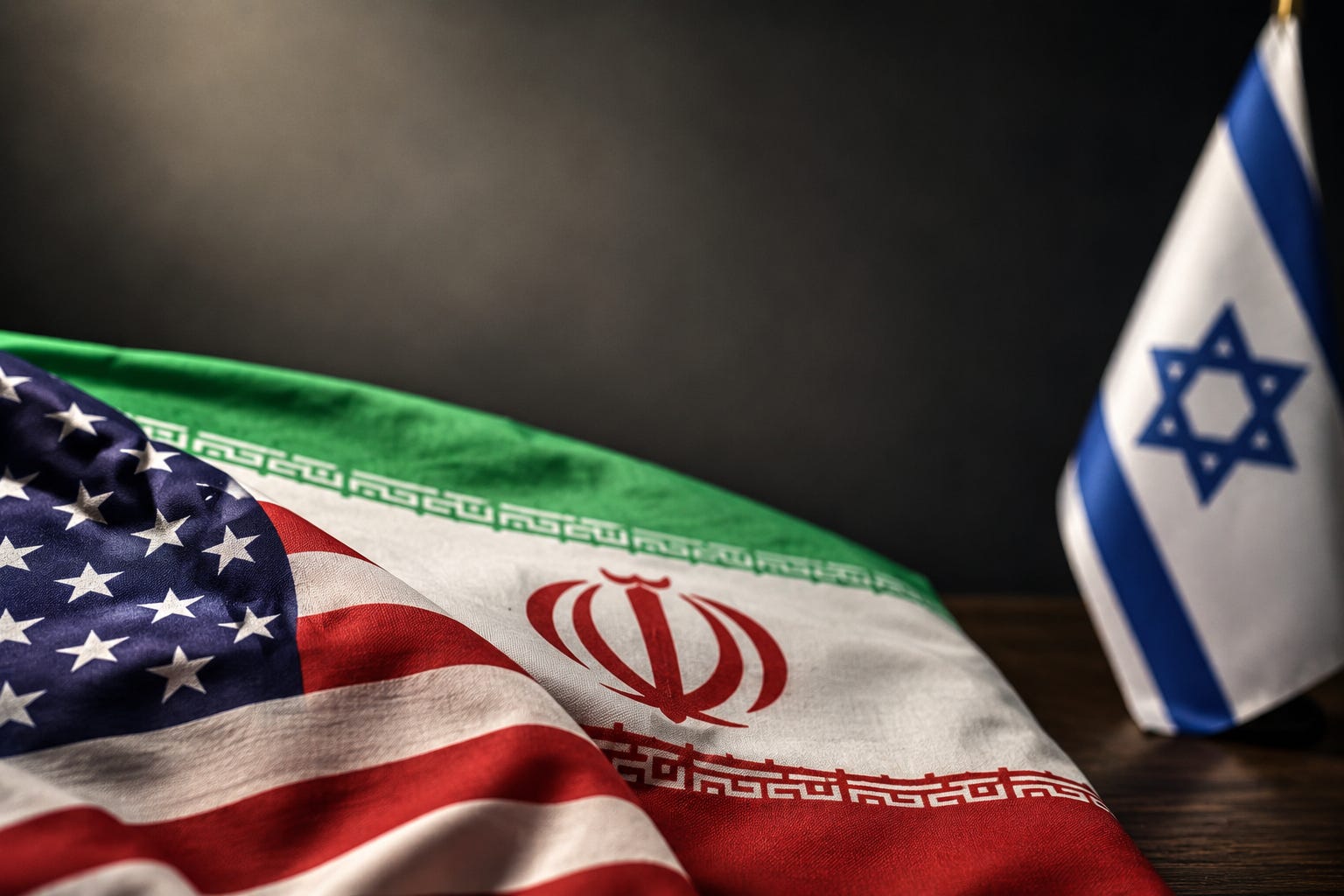
Iran’s Supreme National Security Council has formally confirmed a memorandum of understanding with the U.S. regime to halt the 2026 war, with hostilities on all fronts ending “immediately and permanently from tonight” and the U.S. naval blockade lifting simultaneously. The formal signing takes place in Switzerland on Friday, June 19, should the deal make it to the signing that is.
Israeli Prime Minister Benjamin Netanyahu has already informed U.S. President Donald Trump that Israeli forces will not withdraw from Lebanon and that Israel does not consider itself bound by the Lebanon clause in the MoU.
When the day started, it seemed any deal was off the table, following an Israeli attack on Beirut designed to sabotage the deal. Donald Trump claims he called the Israeli Prime Minister to ask him “What the fuck are you doing?” following the attack, before publicly claiming Netanyahu has “no fucking judgement”.
The day then saw intense efforts by Qatar and Pakistan to save any deal out of the mess caused by Israel. Iran threatened an imminent response to the attack, even clearing some of their airspace in preparation to launch a retaliatory strike at Israel, as they repeatedly promised would be the case following any Israeli strike on Beirut.
The only thing that would prevent an Iranian strike, was a quick agreement to a deal that met almost all of Iran’s terms, and almost none of the terms demanded by the USA.
Tasnim has published the full 14-point text. The MoU’s opening clause calls for a permanent and immediate cessation of war on all fronts, including Lebanon, and respect for Lebanese territorial integrity.
Iran's Deputy Foreign Minister Kazem Gharibabadi confirmed the MoU's finalisation and stated the lifting of the U.S. naval blockade begins tonight, though the MoU text itself specifies complete lifting within 30 days. The two are not reconciled. Gharibabadi attributed the outcome to Iran's military achievements alongside diplomacy. 'The enemy failed in all its objectives,' he said.
The terms are significant. The U.S. commits to non-interference in Iranian internal affairs, withdrawal of forces from around Iran, and complete lifting of the naval blockade within 30 days. Oil sanctions are suspended. $24 billion in blocked Iranian funds are to be released during the 60-day final negotiation period, with half released before negotiations begin. The U.S. and its allies must present a reconstruction plan for Iran of at least $300 billion. Crucially, point 14 removes Iran’s missile programme and its support for resistance groups from the agenda of final negotiations entirely.
1: Permanent and immediate cessation of war on all fronts, including Lebanon.
2: The US commitment to non-interference in Iran’s internal affairs and respect for the sovereignty of the Islamic Republic of Iran.
3: Complete lifting of the naval blockade within 30 days.
4: The US commitment to withdraw its forces from around Iran.
5: Reopening of the Strait of Hormuz within 30 days under Iranian arrangements.
6: Suspension of sanctions on the sale of oil, petrochemical products, and derivatives, and full access of Iran to its financial resources.
7: The necessity for the US and its allies to present reconstruction plans for Iran amounting to at least $300 billion.
8: 60 days of negotiations to reach a final agreement based on nuclear issues and the complete lifting of primary, secondary, US sanctions, and UN Security Council and IAEA Board of Governors resolutions.
9: Reiteration of Iran’s commitment under the NPT treaty not to produce nuclear weapons.
10: During the negotiation period, the US has committed not to add forces in the region and not to impose new sanctions.
11: Release of $24 billion of Iran’s blocked funds during the 60-day final negotiation period. Half of this amount must be made available to Iran before the start of negotiations.
12: Formation of a supervisory mechanism to implement the agreement.
13: The final agreement will be approved by a UN Security Council resolution.
14: Final negotiations will not begin before the release of half of Iran’s blocked funds, suspension of Iran’s oil sanctions, and lifting of the naval blockade, and the final agreement will only cover the fate of enriched materials and enrichment, lifting of sanctions, and Iran’s economic reconstruction plan. Discussions about Iran’s missile program and support for resistance groups are definitively removed from the agenda.
Iran’s position is that further negotiations will not begin until the U.S. fulfils its commitments first. Presumably, any failure by the USA to fulfil these demands will result in Iran’s retaliation to strike Israel.
Qatari mediators departed Tehran after 17 hours of negotiations, with separate preparatory meetings now scheduled in Doha ahead of the Friday signing. Trump, meanwhile, told the New York Times that if a final nuclear agreement is not reached, he would either restart military strikes on Tehran or make the U.S. “the guardian of the Middle East” in return for 20 percent of the region’s revenues. He described Netanyahu as “a very difficult guy” and suggested Israel should be grateful, adding that if Iran had possessed a nuclear weapon, “Israel wouldn’t be around for two hours.”
It’s clear at this point that the MoU is real, confirmed by both sides, and that its terms represent a substantial Iranian diplomatic achievement. What is equally clear is that the central Iranian condition, an end to the siege of Lebanon, has already been publicly rejected by the regime in Tel Aviv, which signed nothing and agreed to nothing. Washington made a commitment it has no visible means of enforcing. How Tehran responds to that gap, and how quickly, will define whether Friday’s ceremony in Switzerland means anything at all.
Iran should give Trump 24 hours to stop all Israel's military actions or call off the deal completely and militarily deal with Israel itself.
An opportunity for Trump to tell AIPAC Let's make a deal.