

The USA Violates Ceasefire with Further Strikes on Iran
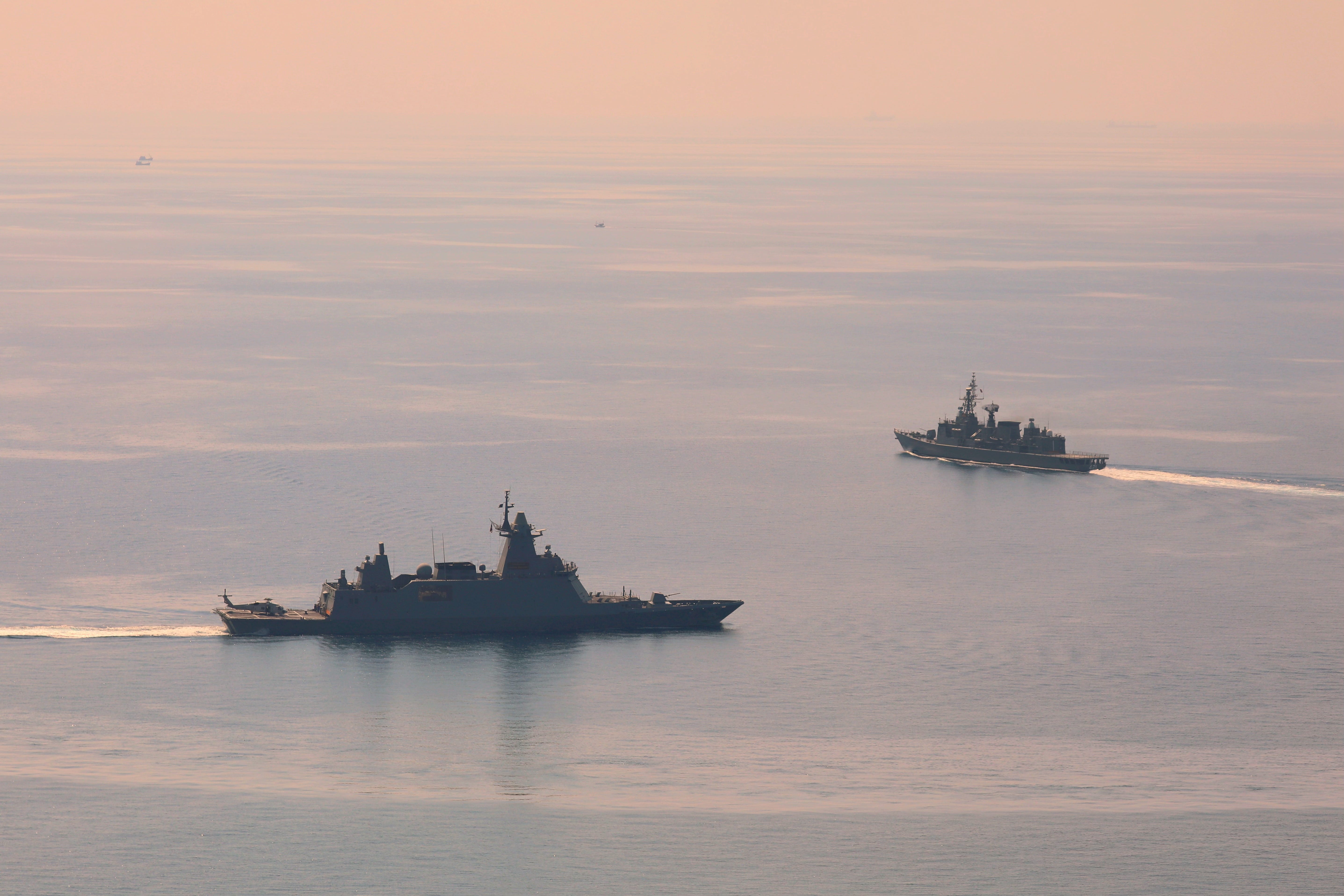
Aircraft belonging to the USA struck a telecommunications tower on Sirik Island in Iran’s Hormozgan Province overnight, the latest in a series of attacks on Iranian territory carried out during a ceasefire. CENTCOM’s own statement claimed these were “measured and deliberate” self-defense strikes on radar and drone command-and-control sites at Goruk and Qeshm Island. Self defence, in the absence of an attack, is not a legal reality, nor a logical one.
The Islamic Revolutionary Guard Corps responded roughly an hour later, launching a ballistic missile strike on Ali Al-Salem Air Base in Kuwait, which it named as the airfield the U.S. attack originated from. Kuwait’s military confirmed its air defenses engaged incoming missiles and drones. The IRGC Aerospace Force called Washington a “child-killing regime” and warned that any repetition would draw a “completely different” response.
The structure of the peace talks has run on the same template of threats and coercion for weeks. The USA claims a deal is close publicly, strikes Iran, labels the strike defensive, demands concessions, threatens annihilation if concessions are slow, then claims peace is close again to the media.
We’ve just spent the last week begging the wider world to pay attention to both sides of the peace talks, after every outlet we could find parroted a U.S. claim that peace was close.
The USA has attacked twice since that claim was made. We don’t have a readership large enough to counter claims made by CNN, Reuters and others. As a result of this, you reading this will be among the most informed on this topic.
We are not bragging that Crust News is some infallible source, we are not. However, outside of Al Jazeera, we seem to be the only outlet you’ll know who has the common sense to report on both the Iranian and U.S. position. It’s almost embarrassing to see the wider media report endlessly that peace is close, only to watch their reports fall apart in ceasefire violations, perhaps it’s time for them to avoid the risk of embarrassment and report on both sides of a two-sided negotiation.