
Israel’s Ceasefire Denial Granted Them Eight Days of Mass Murder
Pakistan and Iran said the April 7 ceasefire covered Lebanon. Israel said it didn’t, the USA flip flopped.
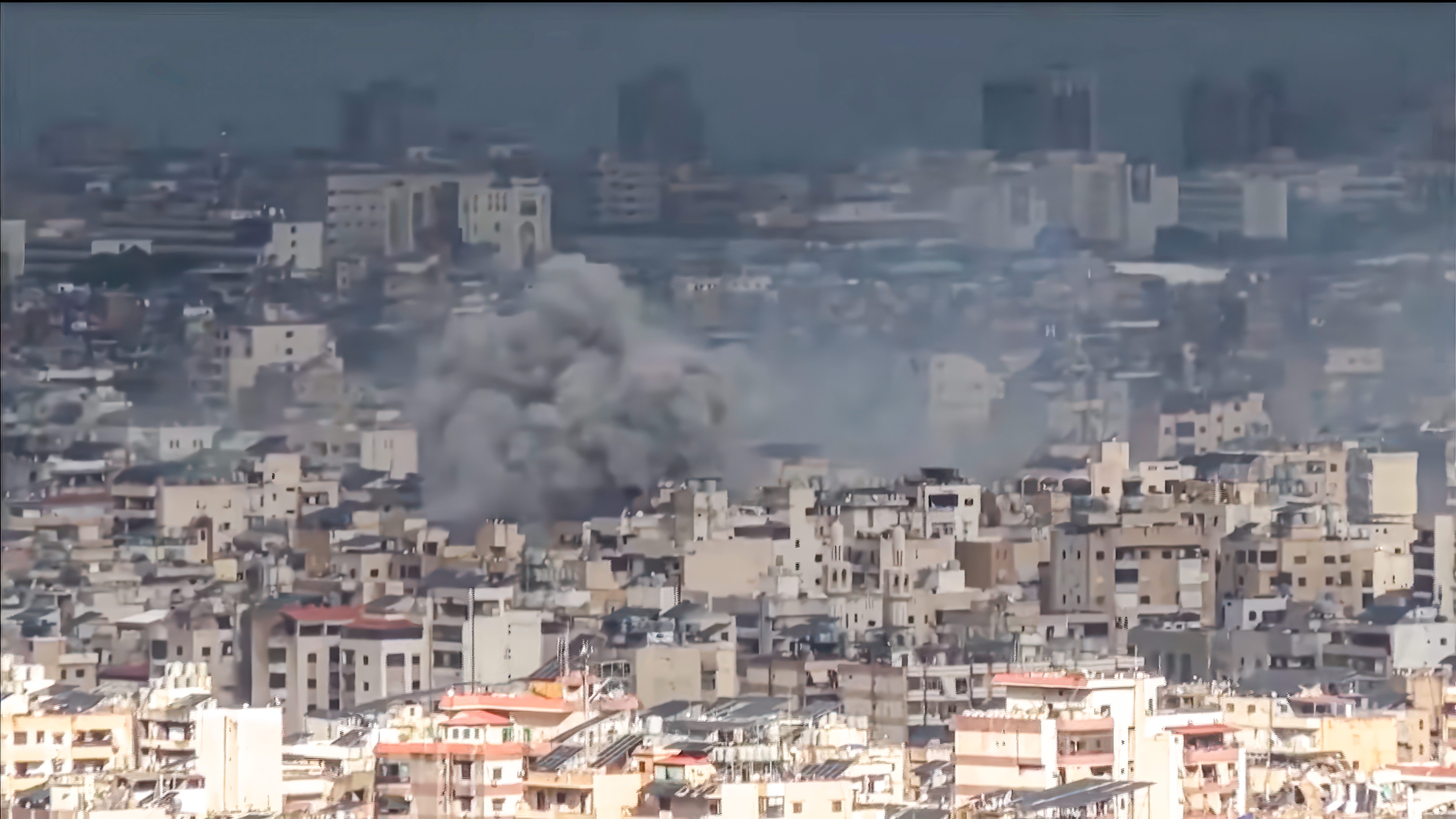
Israel and Lebanon have officially signed a ceasefire deal, which will last 10 days, however, this deal had already been agreed over a week ago. On April 7, Pakistani Prime Minister Shehbaz Sharif announced a US-Iran ceasefire he had brokered in Islamabad. He said it covered every front of the war, including Lebanon. Iran’s Foreign Minister Abbas Araghchi confirmed Iran had agreed on that basis, Tehran had already made a Lebanon ceasefire a precondition of any deal with Washington. The removal of Lebanon from the agreement led to the Strait of Hormuz remaining closed until earlier today, Friday 17 April.
Pakistani and Iranian officials had announced the ceasefire, with a clear mention of Lebanon, a point that the USA did not immediately deny. Within hours, Benjamin Netanyahu’s office said the ceasefire did not include Lebanon. Suddenly, the USA voiced their denial, as Trump backed him the next day, on camera: “Yeah, they were not included in the deal. Because of Hezbollah. They were not included in the deal. That’ll get taken care of too.” Israel had granted the USA authority to negotiate for them during the talks, so there should have been no confusion about any terms agreed, but walking back on a deal is remarkably normal for Israel in the 2020s.
What Netanyahu and Trump stated publicly about Lebanon, Iran publicly called a lie. In events like this, we see why ceasefire agreements have mediators, someone to turn to when the opposing sides cannot agree on a point. Pakistan, as the mediator, oversaw the signing of the deal and confirmed Lebanon was a part of it.
Israel launched “Operation Eternal Darkness” the day the ceasefire was to go into effect, an operation that was the largest wave of airstrikes of the war, by Israel’s own admission, targeting command and control in southern Lebanon, Beirut, and the Beqaa Valley. At least 357 people were killed and more than 1,200 injured. In Beirut alone, 92 were killed and 742 wounded. Russia, China, and the EU-5 issued condemnations of the attack. Pakistan’s defence minister called Israel “evil” on the record, which is very strong language from a mediator of a ceasefire, perhaps understandable as his country oversaw a promise to end bombardment within the previous 24 hours.
Over the next week, Israeli strikes on Lebanese towns continued daily. Five IDF divisions remained deployed south. Villages near the border were detonated and filmed. On April 16, hours before the “new” ceasefire was announced, Israel bombed the last working bridge to southern Lebanon, infrastructure with no military function that mattered, but which made return for one million displaced Lebanese effectively impossible. Their ethnic cleansing campaign was assured before they would allow the bombs to stop falling.
Then, at midnight Beirut time, Trump announced a ten-day truce between Israel and Lebanon.
Read the terms carefully, this is not a new deal. It is substantially the agreement Sharif and Araghchi said was in force on April 7, with one material subtraction: Israeli troops do not withdraw. Israeli troops will remain in the territory that they have seized during their campaign. Israeli leaders have already stated that the country plans on annexing this territory, statements that have been largely ignored in English-speaking outlets.
Netanyahu announced that Israel will hold an “expanded security zone” in southern Lebanon, an enlargement, not a reduction, of the occupied area. “This is where we are located, we are not leaving,” he said. Israel’s UN ambassador Danny Danon put it more plainly still: “We are not going anywhere. We are holding our positions.” The IDF instructed residents of southern Lebanon not to cross north of the Litani, civilians forbidden from moving on their own land by the occupying force. Even if they do find a way to return, many of their villages have been entirely destroyed.
A ceasefire originally framed as ending hostilities has been re-announced, eight days later, as a pause that codifies and expands the occupation it was once supposed to end. Hezbollah have paused their fighting for the second time in 10 days, having first held to the ceasefire agreement announced on April 7, until Israeli bullets and bombs continued to target Lebanon, triggering a return to fighting from the group.
According to Yedioth Ahronoth, the IDF has been preparing plans to continue ground operations in Lebanon even after the Iran war ends. The ten-day window is not a step toward withdrawal. It is a pause Israel has reserved the right to break, as it did on April 7, within hours, and as it has done after every Lebanon ceasefire.
The question a reader should leave with is not whether the April 16 ceasefire will hold. It is what was purchased with the eight days between April 7 and April 16.
Those eight days bought Israel Operation Eternal Darkness. They bought at least 357 Lebanese lives. They bought the destruction of the last bridge south. They bought the permanence of their ethnic cleansing campaign. They bought an “expanded security zone” inside Lebanese territory that Israel has openly announced it will not leave. They bought the collapse of the Islamabad talks, the US naval blockade of Iran, and a ten-day pause on a war every party to it expects to resume.
What they did not buy was a new agreement. The agreement was already on the table on April 7. It is no accident that the new deal ends on the same day as the April 7 agreement, that deal simply got in the way of a mass murder campaign they already had set in stone.

