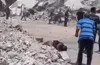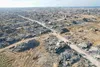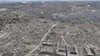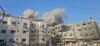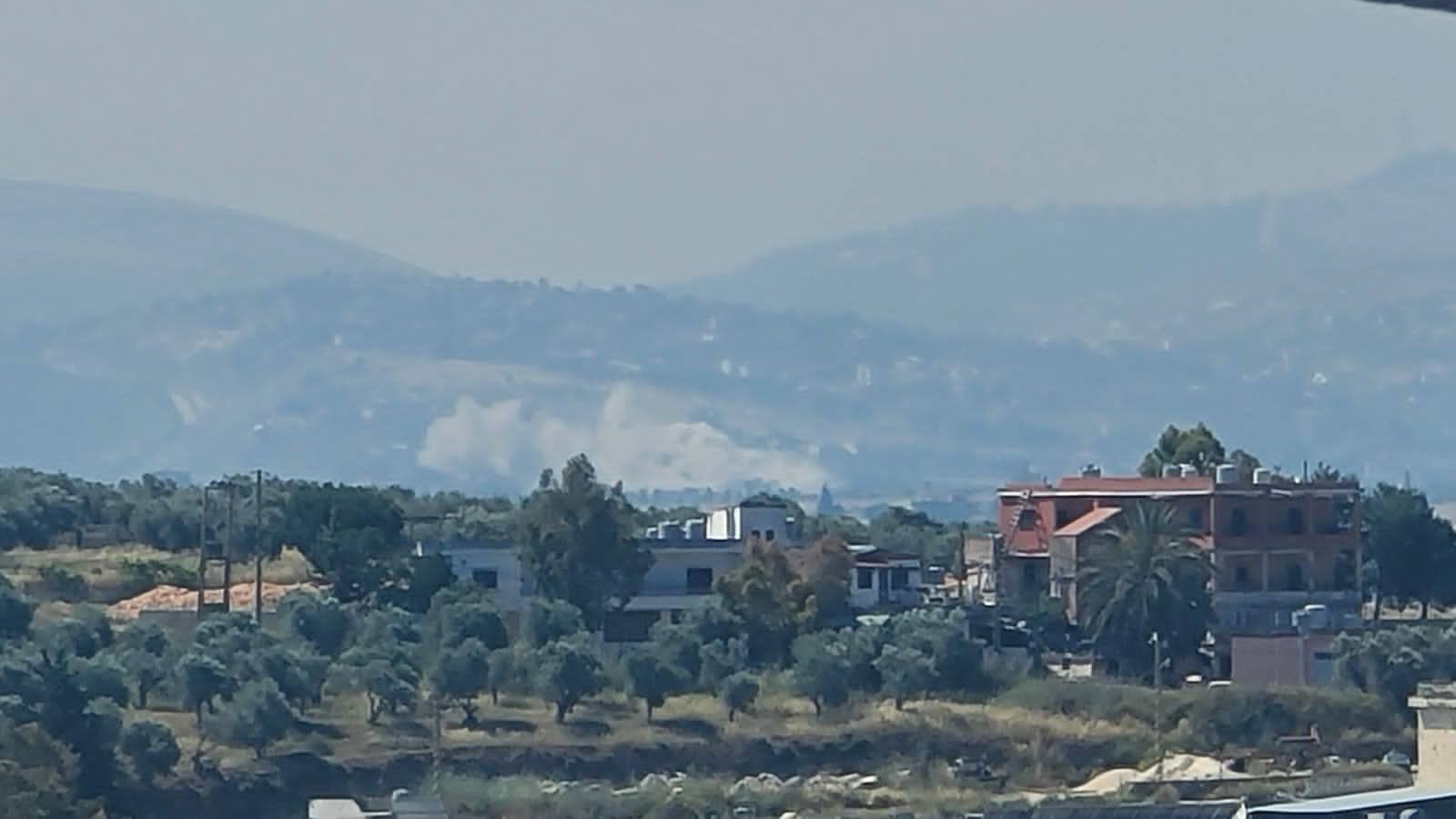
Israel struck more than 70 sites across Lebanon on Monday, one of the heaviest days of bombing since the April ceasefire was signed, and by evening Benjamin Netanyahu had gone on video to say he wanted more. He had told the military to “press the pedal even harder.” Intensify the strikes. Residents of southern Beirut were already seen fleeing the city within an hour of his announcement.
The Israeli military described the targets, as it always does, as Hezbollah infrastructure, without any evidence to support the claim. Netanyahu claimed Israel has killed more than 600 Hezbollah fighters in recent weeks, a figure we cannot verify and which comes from the side doing the killing. Health data disputes Israeli claims, with many civilian casualties, children and medics are increasingly being reported as part of the death toll.
A US official signalled that Washington would approve a larger Israeli operation, according to Israeli reporting. Inside the Israeli cabinet, Itamar Ben Gvir and Bezalel Smotrich pushed for major attacks.
On Monday night, Israeli TV channels began reporting that Netanyahu and Defence Minister Israel Katz had approved a specific expansion, with strikes on Beirut's Dahiyeh suburb said to be imminent. We could not confirm this, and at the time of writing, the attacks have not occurred. Dahiyeh has been hit as recently as early May, and Israeli commentators are openly calling for it to be struck again.
Since 16 April there has been a US-brokered ceasefire, which was extended in mid-May. Throughout it, Israel held a strip of southern Lebanon about ten kilometres deep and called it a buffer zone, a military boundary that amounts to an occupation, not dissimilar to the “yellow line” in Gaza. To create this buffer zone, Israel ordered seven towns north of the Litani river to evacuate on 26 April, beyond even its declared zone, killed 14 people, and then blamed Hezbollah.
The people of southern Lebanon and Dahiyeh, who have packed and fled and come back and packed again are at the centre of this. Mass displacement is a war crime under international law. For the people of southern Lebanon, just like those in Gaza and the West Bank, it has become routine.