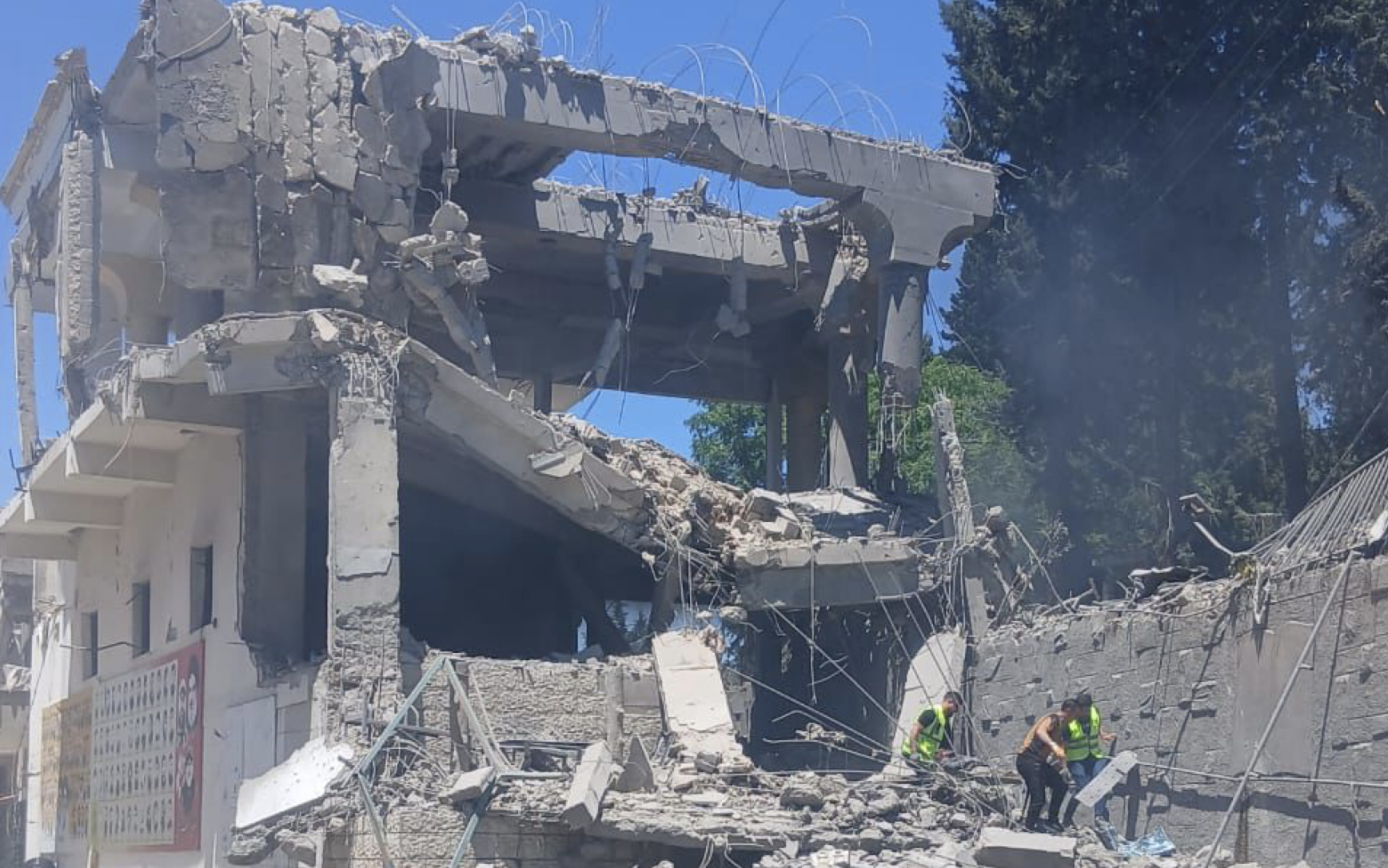
After four rounds of talks at the U.S. State Department, Israel and Lebanon announced a ceasefire on Wednesday night. By Thursday morning, Israeli warplanes had struck more than twenty-five locations across southern Lebanon. The Lebanese president was telling the press that implementation might begin within 24 hours, and that the agreement was Lebanon’s “last chance.”
The deal, brokered under American auspices and announced around 1am Beirut time, is conditional on a complete cessation of fire by Hezbollah and the withdrawal of its forces south of the Litani River. The U.S. State Department announced simultaneously that Israel retains the freedom to strike Beirut in response to any firing toward Israeli settlements. The Israeli Defence Minister confirmed his forces would remain in Lebanon’s south until the Yellow Line, that a demilitarised zone would be established south of the Litani, and that Israel would “continue to target Hezbollah’s infrastructure in Lebanon.”
None of that is a ceasefire. That is a list of Israeli military objectives. Hezbollah cited this directly in rejecting the agreement, stating that any ceasefire must mean a cessation of hostilities across all of Lebanon.
Hezbollah maintains that they retain the right to respond to continued Israeli aggression, a position with significant grounding in international law. UN Charter Article 51 preserves the right of self-defence against armed attack, and UN General Assembly Resolution 3314 explicitly protects the right of peoples to resist domination and occupation from outside forces. Israel's continued military presence in Lebanese territory, in violation of UN Security Council Resolution 1701, strengthens the group’s argument.
With strikes continuing across Lebanon, even minutes after the ceasefire was announced, it’s clear that the attacks from Israel show no end, and therefore, Hezbollah’s responses will also continue. The loose language of the ceasefire dooming the agreement before ink dried on the document.
The asymmetry of the agreement is not incidental. It is the agreement. Lebanon is being asked to guarantee the behaviour of Hezbollah, a non-state actor the Lebanese state does not control, as a precondition for Israel stopping its bombardment. Israel, meanwhile, has reserved for itself the unilateral right to determine whether those conditions have been met, and to respond with force if it decides they have not.
Lebanese President Joseph Salam described the negotiations as “difficult,” noting they nearly collapsed before U.S. Secretary of State Marco Rubio intervened to keep the Lebanese delegation at the table.
Lebanon almost walked out of talks it needed more than Israel did, in a negotiation it entered with no leverage and left with no guarantee of protection. Lebanon has no ability to fight back against Israel as there is an extreme gap between the military capabilities of the two.
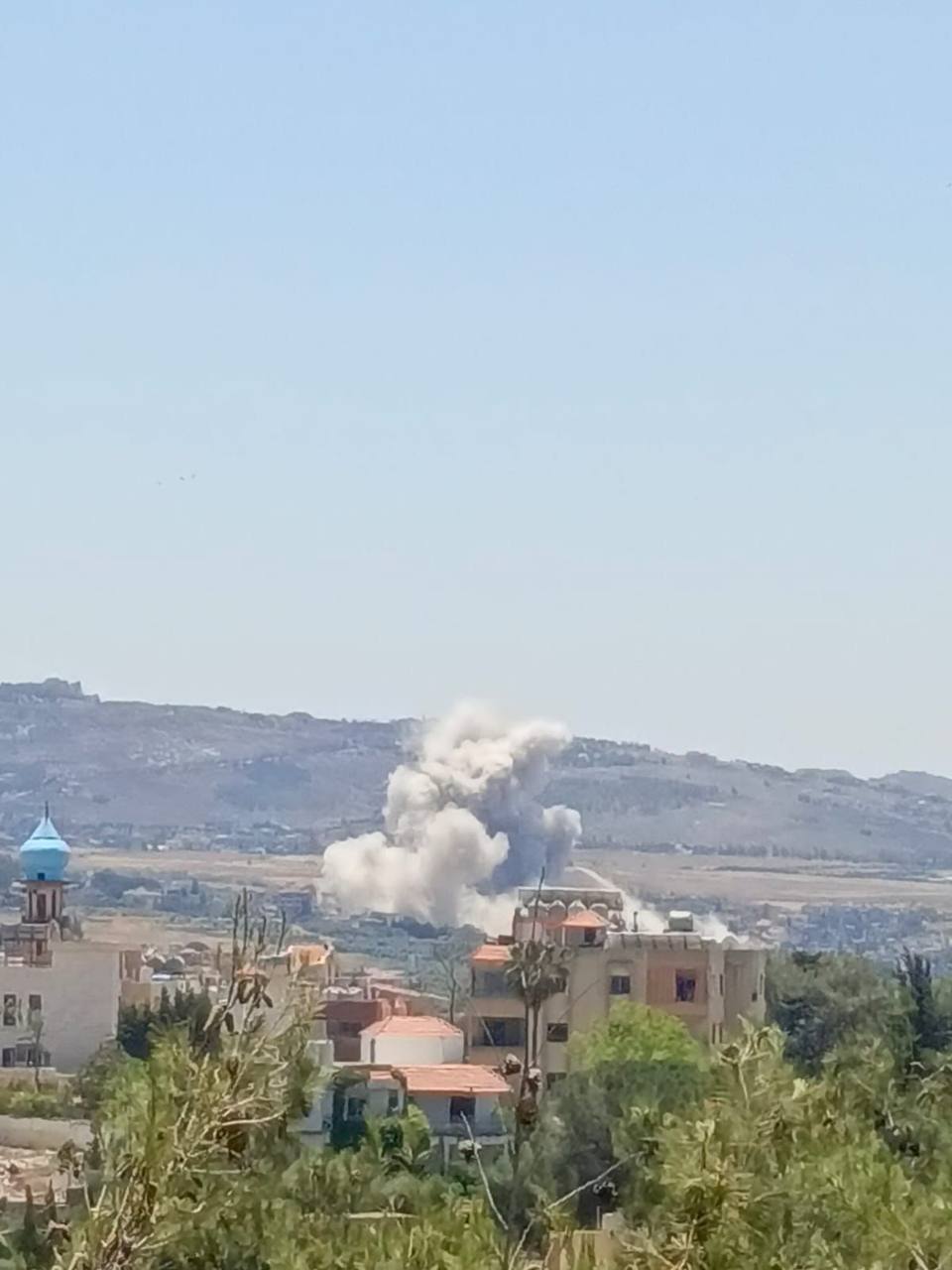
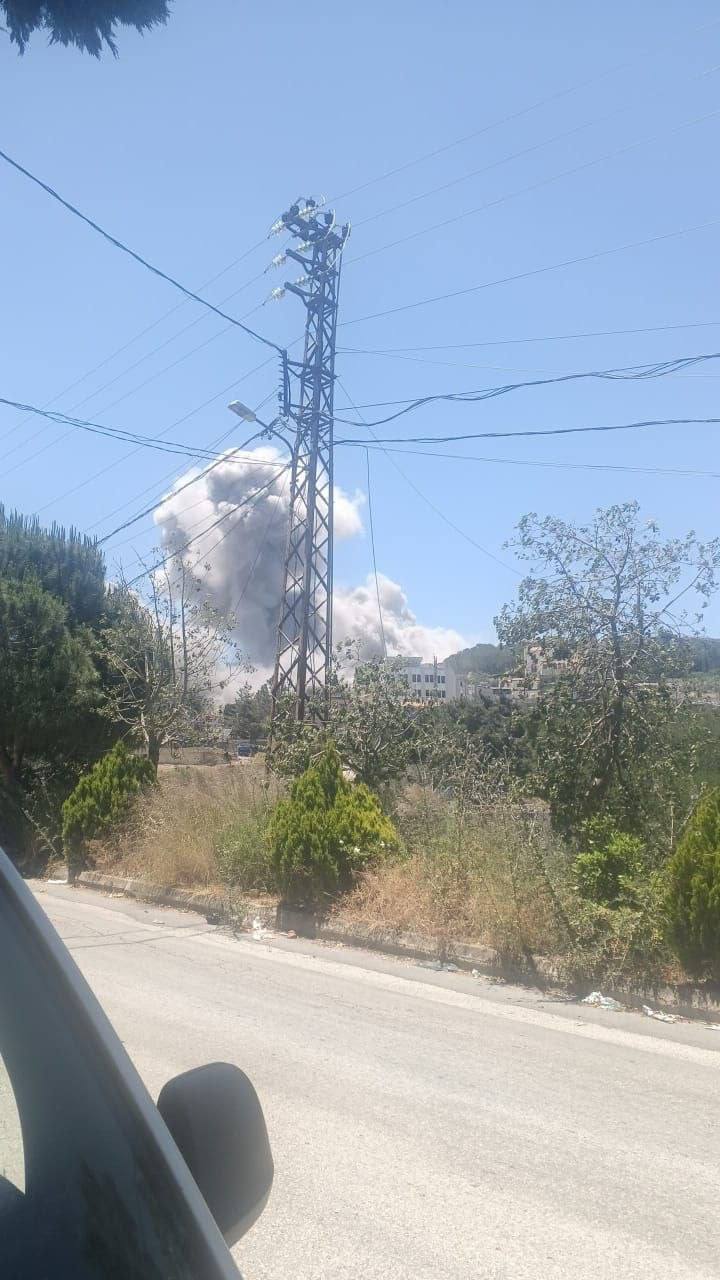
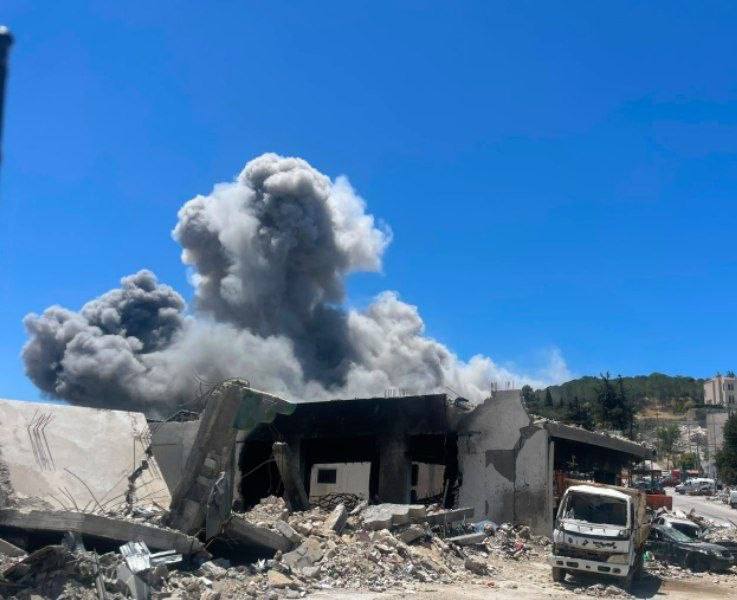
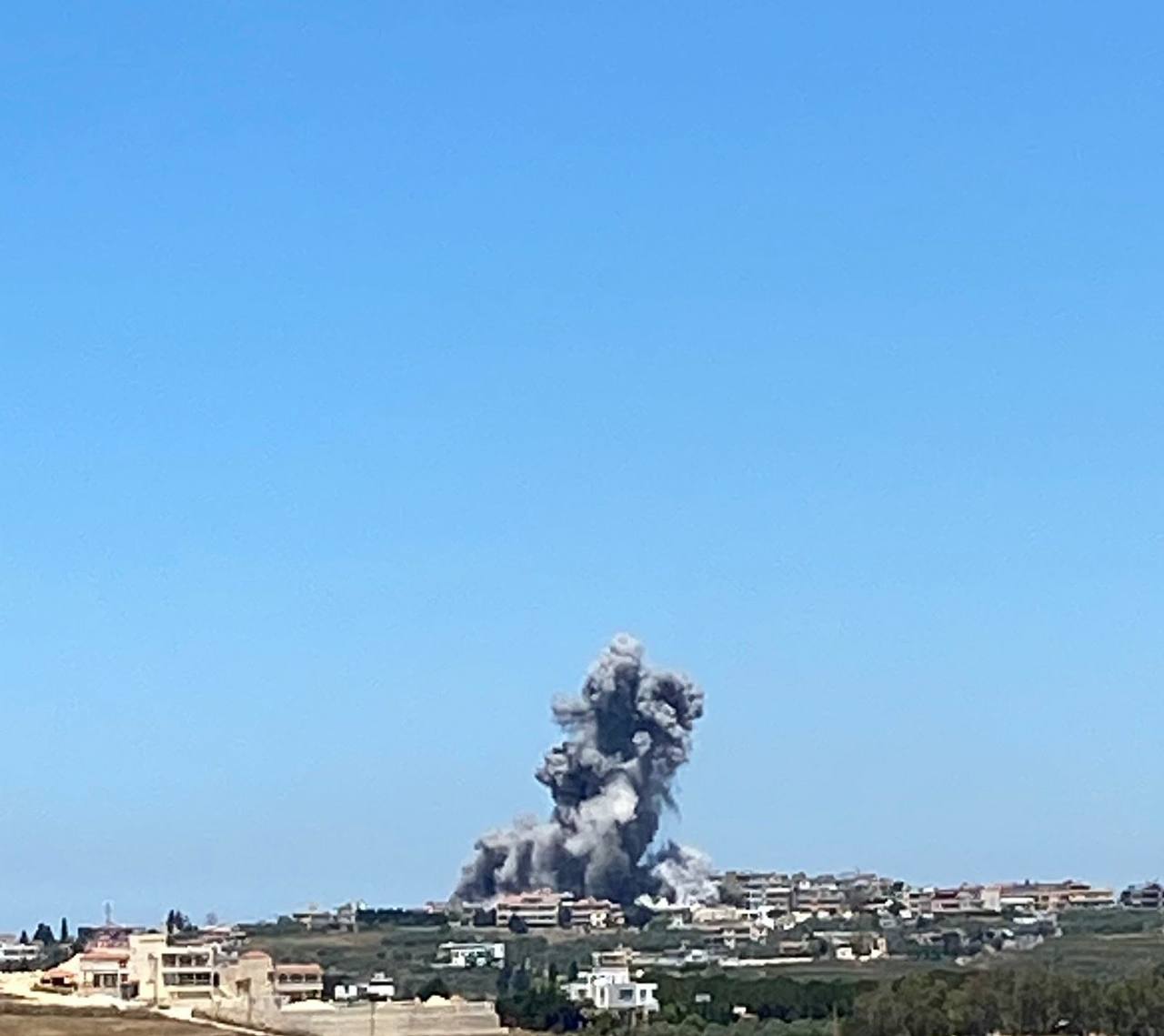
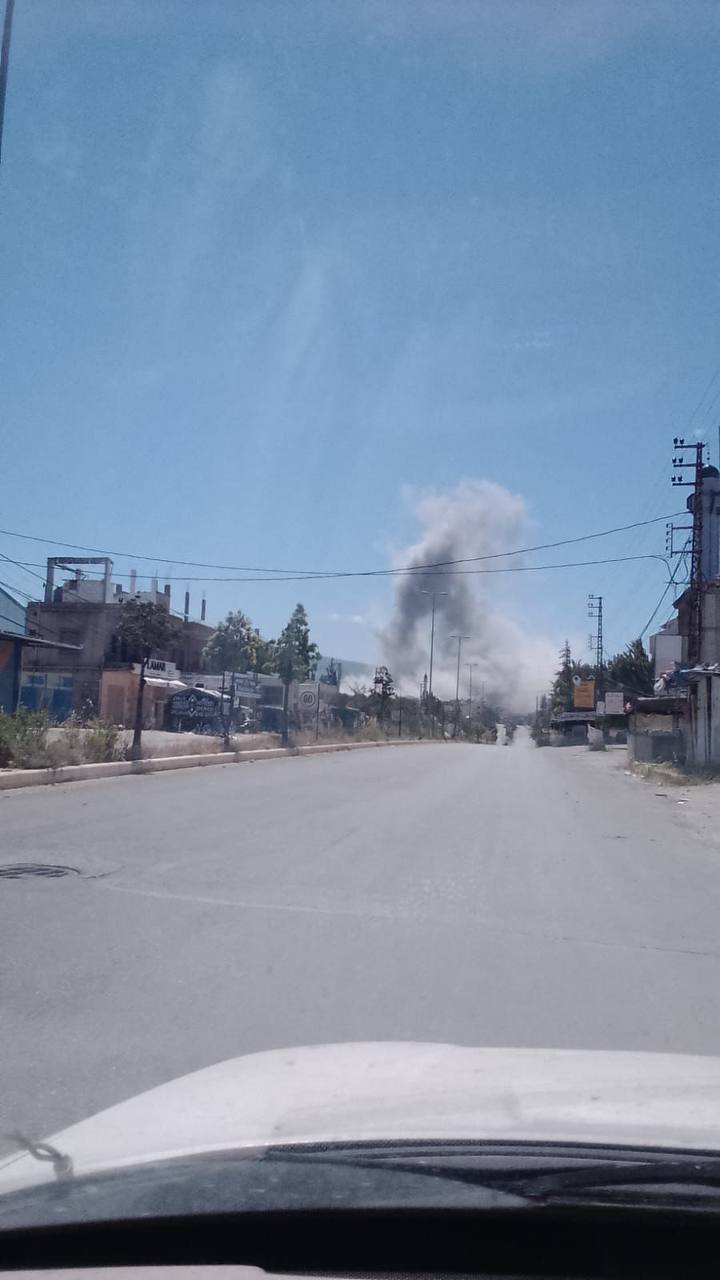
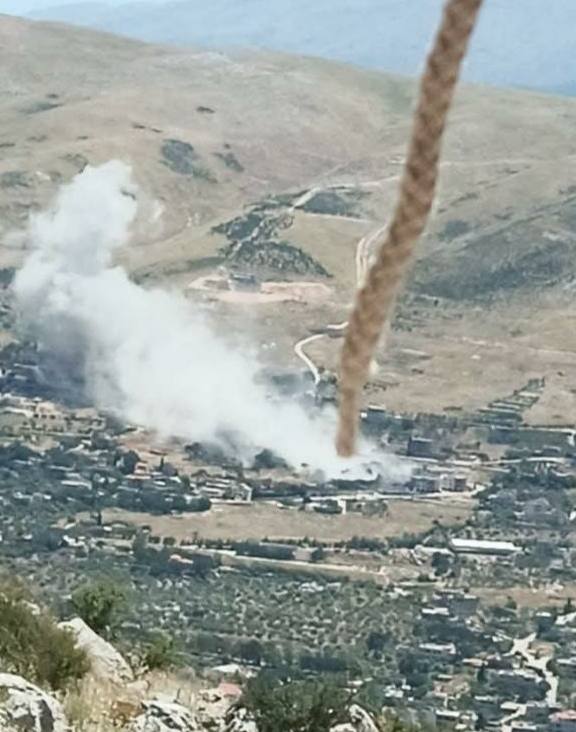
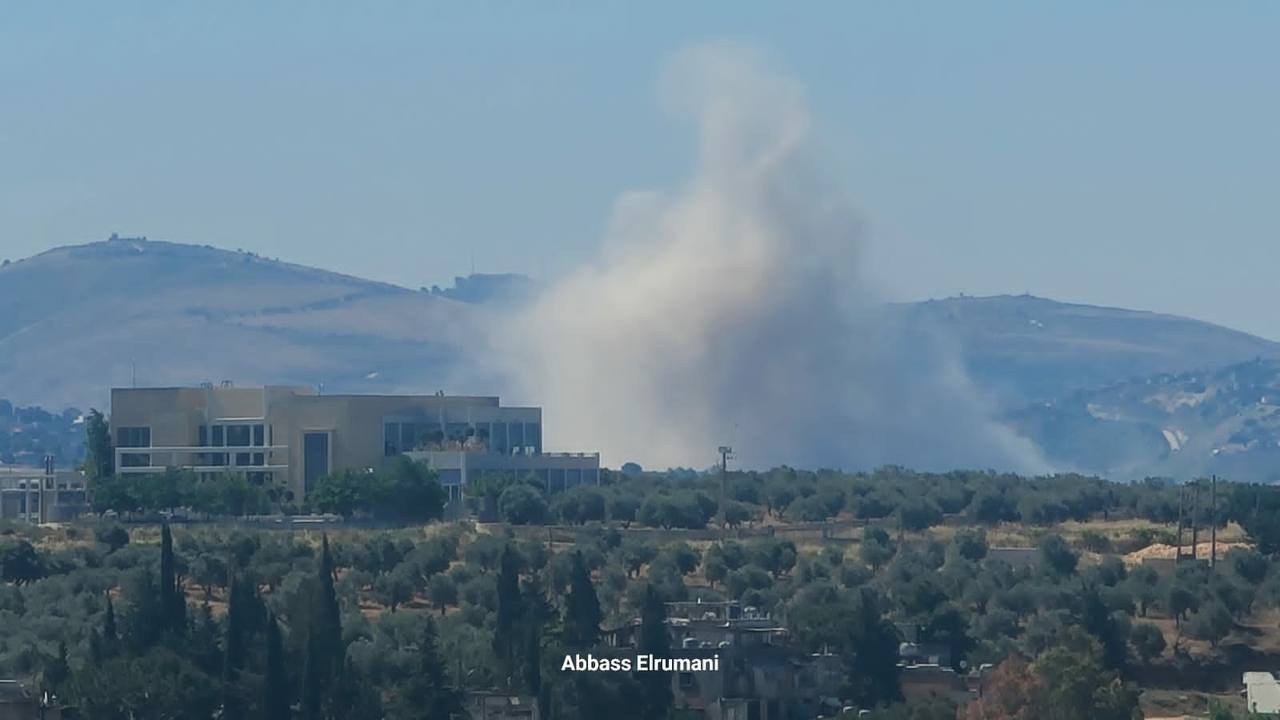

By the time the announcement was made, Israeli warplanes had already struck Al-Ghaziyah in southern Lebanon at approximately 1:10am, minutes before the ceasefire was formally declared, and presumably, after most negotiations had concluded. Strikes continued through the night and into Thursday morning, we counted at least twenty-five strikes across Nabatiyah, Tyre, Jezzine, and the western Bekaa region. The IDF reiterated evacuation warnings for all residents south of the Zahrani River. The Golani Brigade established what the Israeli army described as operational control over the Shebaa Farms.
Over twenty-five attacks, a forced evacuation order, seizing of territory. These are not signs of a ceasefire.
Israel’s ambassador to Washington announced the ceasefire and added, in the same breath, that there is no place in Lebanon safe from an Israeli response. Setting the expectations that there will be no cessation of hostilities, as would be implied by announcement of a ceasefire.
Amid all of this, a UN peacekeeper has been killed in a strike. Serbian Senior Sergeant Milovan Jovanovic was killed after mortar shells struck his UNIFIL position near Marjayoun on Wednesday night. Two UNIFIL colleagues had also been wounded. UNIFIL has launched an investigation and has not yet assigned blame, but they have condemned both Israel and Hezbollah for repeated strikes near their positions.
What it has noted is an “increasingly high number of trajectories and impacts” across southern Lebanon. UNIFIL itself is due to wind down its mission by the end of 2026, leaving a peacekeeping vacuum in a region where the current ceasefire is already not holding.
Israeli National Security Minister Itamar Ben Gvir called the agreement “a grave mistake” and “a fantasy.” On this specific point, the evidence this morning suggests he may be the most accurate voice in the room, though not for the reasons he intends.
The Lebanese Armed Forces have deployed along the Dabbin road following an Israeli withdrawal from Dabbin and Blat, and the Marjayoun-Dabbin-Ibl al-Saqi route has begun reopening. Lebanese President Salam has said he is awaiting responses from “all relevant internal parties, especially Hezbollah.” The next round of negotiations is scheduled for June 22.
Between now and June 22, the bombs will continue to fall. That is not a prediction. It is what is happening right now.